Lawn Guru’s Lawn Turf – Laying Guide
You can lay turf at almost any time of year, as long as the weather and soil conditions are suitable. The soil should be moist but not waterlogged, and temperatures need to be warm enough to prevent the ground from freezing. If the soil is frozen, the grass roots won’t be able to grow into it properly, which stops the turf from establishing
It’s also best to avoid laying turf during extreme heat, such as a heatwave. Hot weather can cause turf to dry out very quickly, both before and after it’s laid. This makes it harder for the roots to grow, often leading to weaker, yellow or patchy grass. When turf is harvested, some of its roots are cut, meaning it already has a smaller root system and needs extra care. Because of this, watering the turf immediately after laying is essential.
For these reasons, spring and autumn are the most popular times to lay turf. During these seasons, the soil is usually cool and workable, and regular rainfall helps keep the new grass well watered. This gives the roots time to establish before summer heat or winter frost arrives.
If you need to lay turf during the winter months and can’t wait, there are still ways to prepare your lawn properly. You can find helpful tips on how to do this in our guide to preparing your lawn for winter turfing.
Step-by-Step Guide: When to Lay Turf
Step 1:
Choose the right time of year – Turf can be laid almost any time of year, as long as conditions are suitable. The key is avoiding extremes such as frozen ground or very hot weather.
Step 2:
Check the soil condition – Make sure the soil is moist but not waterlogged. If it’s too dry, turf won’t root properly. If it’s waterlogged, roots can rot before they establish.
Step 3:
Avoid frozen ground – Never lay turf on frozen soil. Grass roots cannot grow into frozen ground, which will prevent the turf from establishing and may cause it to fail.
Step 4:
Avoid extreme heat – Try not to lay turf during heatwaves. Hot weather can cause the turf to dry out quickly, making it harder for the roots to take hold. This often leads to yellowing or patchy grass.
Step 5:
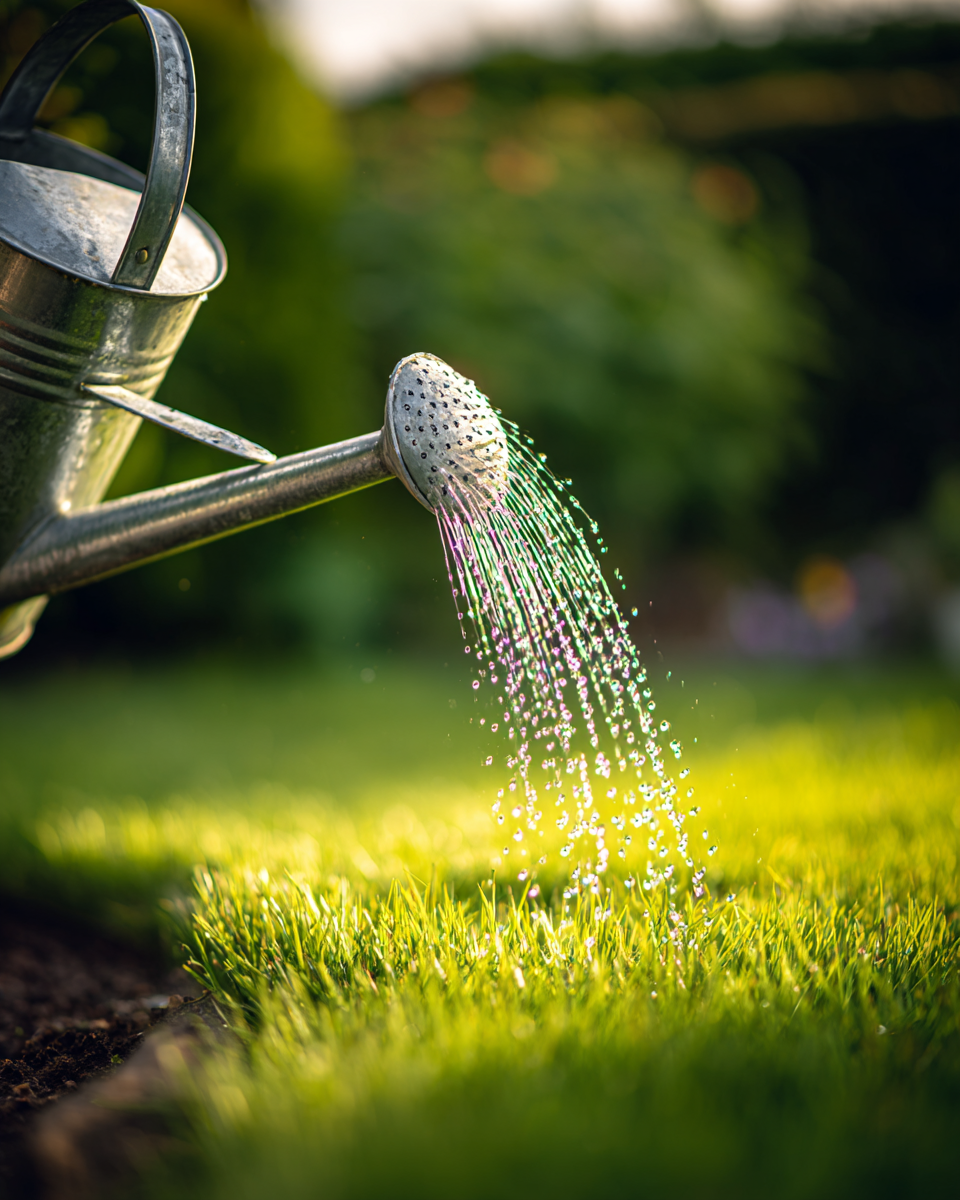
Water immediately after laying – Turf has a reduced root system when it’s harvested, so it needs plenty of water straight away. Water thoroughly as soon as it’s laid and keep it well watered during the first few weeks.
Step 6:
Consider spring or autumn for best results – Spring and autumn are ideal times to lay turf. The soil is usually cool and soft, and regular rainfall helps keep the turf hydrated. This allows roots to establish before summer heat or winter frost.
Step 7:
Laying turf in winter (if necessary) – If you need to lay turf in winter, only do so when the ground isn’t frozen or waterlogged. Extra preparation and care will be needed to help the turf establish successfully.




Lawn Turf Laying Guide
We supply only the highest-quality turf, freshly harvested and delivered fast. Perfect for landscapers, gardeners, and homeowners who want a lawn that lasts.